Cataract
Cataracts are a common eye condition where the lens, which is normally clear, becomes cloudy. This can result in blurred vision, difficulty seeing in low light, sensitivity to glare, or the appearance of halos around lights.
While they usually develop with age, cataracts can also be caused by injury, certain medical conditions, or long-term use of specific medications.

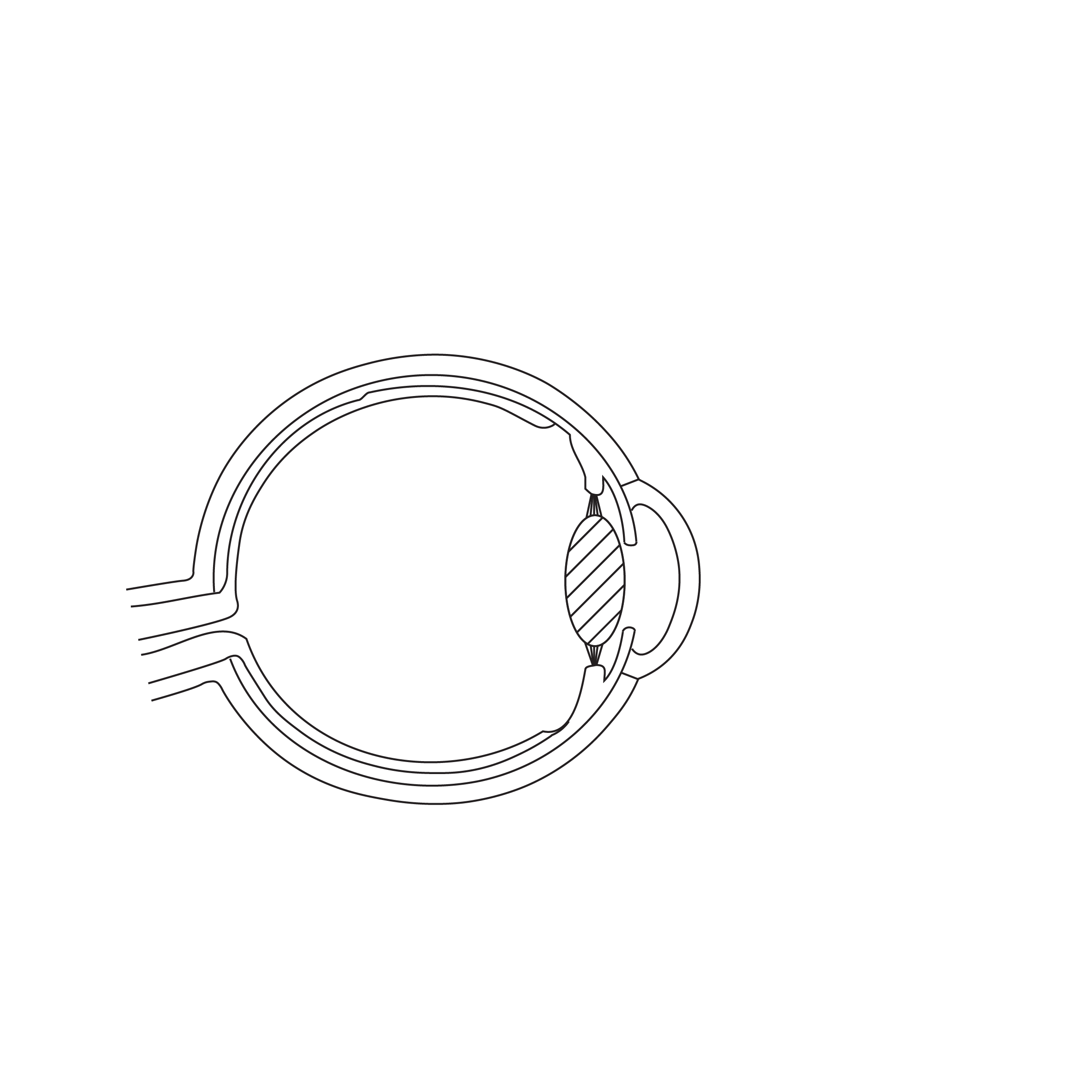
This illustration shows a complete eye in cross-section, viewed from the side, with an opacified lens at the front (the anterior segment), also known as a cataract.
The eye is shown in a horizontal position, as it would be when standing upright.

The natural lens of the eye (= crystalline lens) has become cloudy, which prevents light from entering the eye properly and therefore affects vision.
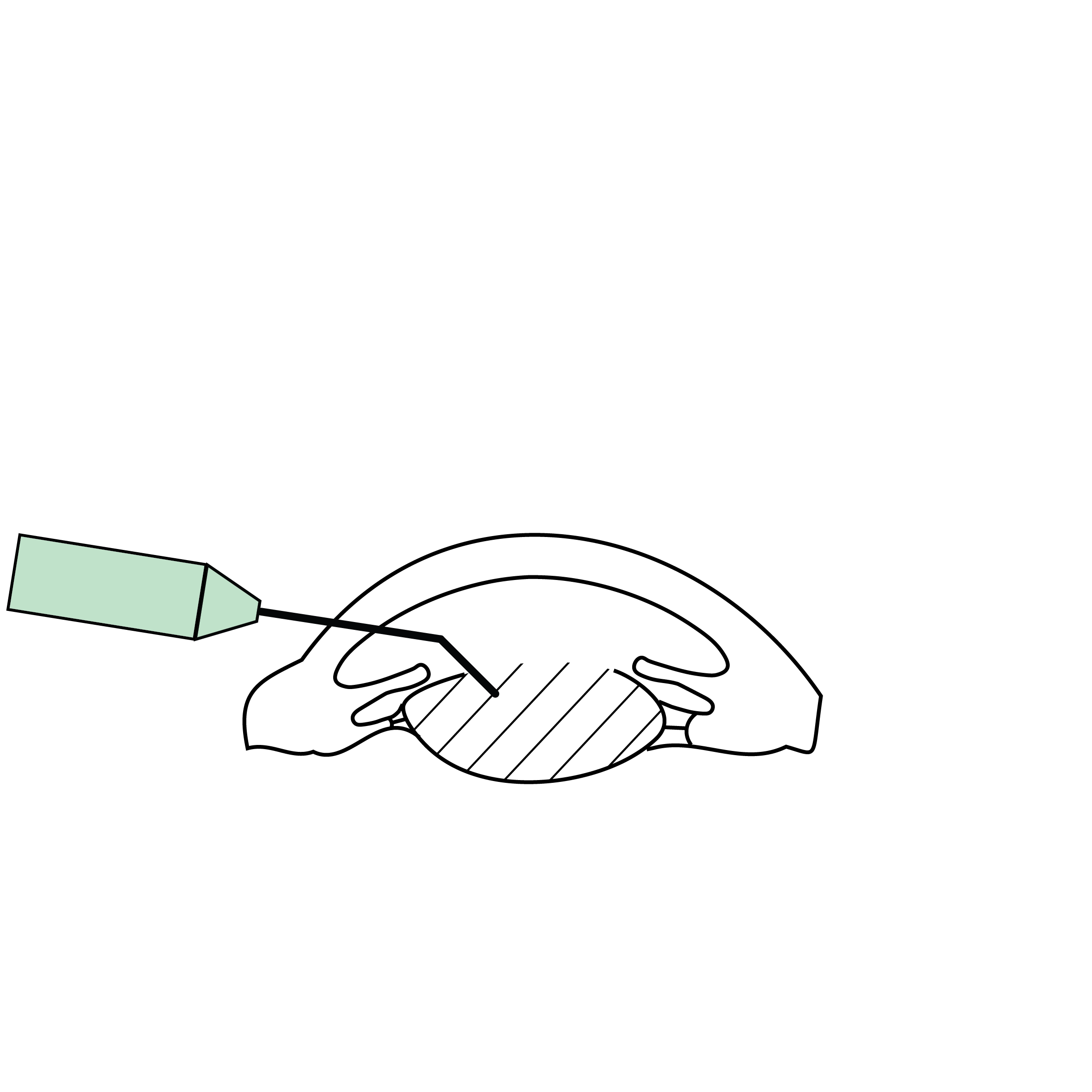
Cataract surgery: The cataract (=cloudy lens) is fragmented into small pieces with ultrasound, a painless process.

Artificial intraocular lens (IOL): A new transparent artificial lens replaces the natural opacified lens to restore vision.
What are cataracts?
Cataracts are a common eye condition where the lens, which is normally clear, becomes cloudy. This leads to blurred vision, difficulty seeing in low light, sensitivity to glare, or the appearance of halos around lights.
While they typically develop with age, cataracts can also be caused by injury, certain medical conditions, or specific medications. They usually progress slowly, eventually making daily activities like reading or driving more difficult. Fortunately, highly effective surgery can replace the cloudy lens with an artificial implant, restoring clear vision.
What are the symptoms?
- Blurred or misty vision: Similar to looking through a foggy or dirty window.
- Increased sensitivity to glare: Bright lights or oncoming car headlights can become dazzling.
- Halos around lights: Bright circles may appear around light sources at night.
- Poor night vision: Increasing difficulty seeing clearly in low-light environments.
- Frequent changes in prescription: Cataracts can cause your glasses or contact lens requirements to change rapidly.
- Faded colours: Colours may appear duller or have a yellowish tint.
What are the causes?
- Ageing: The most common cause, as proteins within the lens break down over time.
- UV Exposure: Prolonged exposure to sunlight without protection can damage the lens.
- Ocular Trauma: An eye injury can lead to the development of a cataract.
- Health Conditions: Chronic conditions, particularly diabetes, increase the risk.
- Medications: Long-term use of certain drugs, such as corticosteroids, can promote their onset.
- Genetics: A family predisposition can make some individuals more susceptible.
- Lifestyle Factors: Smoking and poor diet may also contribute to lens clouding.
What are the treatments?
Non-surgical management
There are no medications or eye drops that can cure cataracts. In the early stages, updated glasses or stronger reading lights can help manage the symptoms temporarily.
Surgical treatment
Cataract surgery is the only definitive treatment for advanced cataracts. The procedure involves:
- Removing the cloudy lens: The affected lens is gently removed, typically under local anaesthesia.
- Inserting an implant: An artificial intraocular lens (IOL) is positioned to restore clarity.
Cataract surgery is a quick, routine, and painless procedure with a very high success rate. It is usually performed as a day-case (outpatient) procedure, allowing you to return home the same day. Regular consultations with your ophthalmologist are essential to monitor progression and determine the optimal time for surgery.

Les procédures chirurchicales associées


Les questions fréquentes
Si vous avez d'autres questions n'hésitez pas à nous contacter !
Book a consultation
Swiss Visio Montchoisi
1006 Lausanne, Switzerland